

By Liam Anderson
What’s on Americans’ Minds Most
A recent round of national polls shows that inflation and the cost of living continue to lead the list of issues Americans say matter most. Key gaps in public opinion around trust in government, economic policy, and national leadership are sharpening as the country heads toward the next major election cycle.
The Economy: Breaking It Down
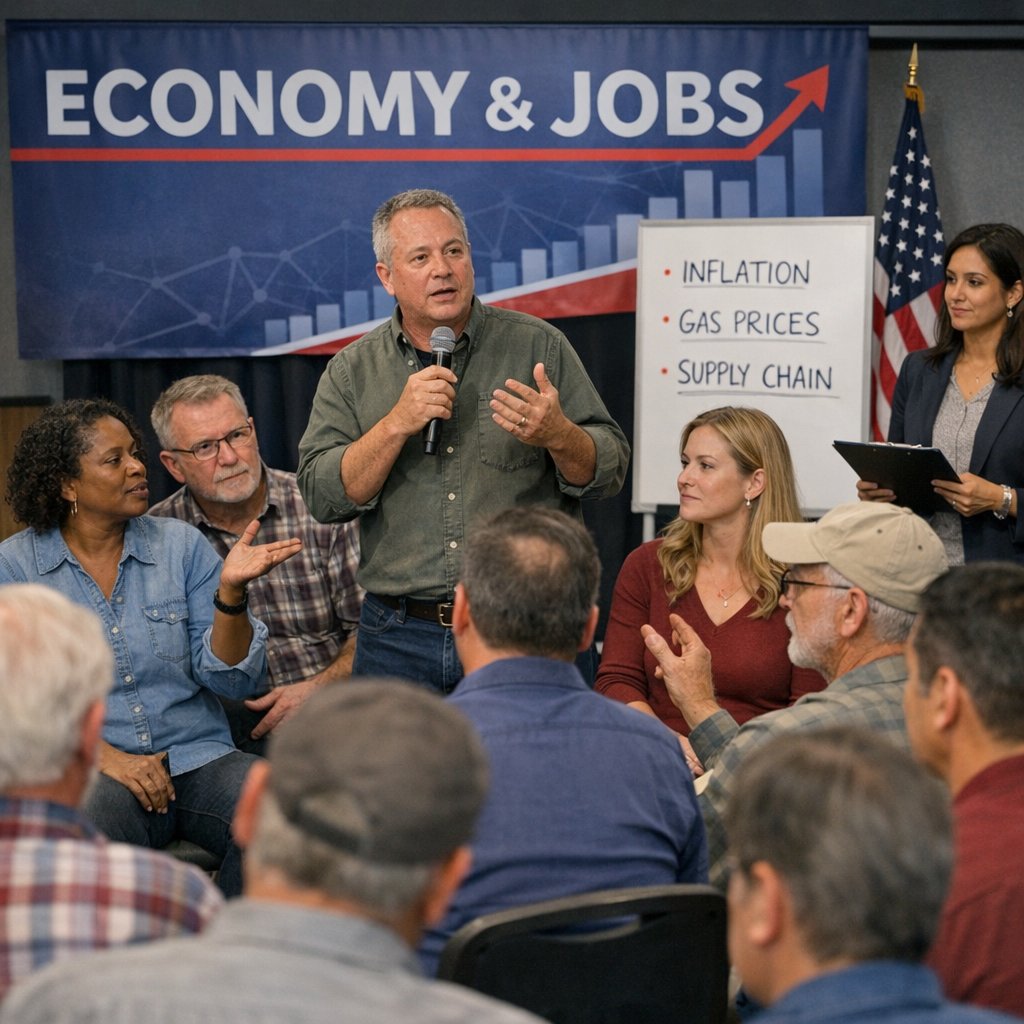
Across surveyed adults, a large majority now say economic conditions are getting worse, with the rising cost of essentials—housing, healthcare, food, and energy—being the biggest worry. Some pollsters report that more than 70% of respondents consider economic affordability to be the top issue. Concerns about inflation remain high, and while there have been slight improvements in some areas, many say their household financial situation has worsened over the past few months.
Job growth has continued, but more slowly than in previous periods, and earnings adjusted for inflation are up only modestly—often not enough to ease pressure at the kitchen table. Interest rates, tariffs, and uneven growth across sectors are spotlighted as complicating factors. The outlook remains fragile, especially for lower- and middle-income households.
Politics, Leadership, and Trust
Many Americans express disappointment with political leadership, citing concerns over government effectiveness and partisan gridlock. Polled views suggest a deepening distrust in institutions and skepticism about whether government can solve major problems.
Partisanship is influencing perceptions of policy outcomes strongly. Republicans are more likely to view the current economic policies as improving conditions; Democrats tend to believe they have made conditions worse. Trust in how leaders handle inflation, trade, and foreign policy also differs sharply along party lines.
Other Issues Rising in Significance
While the economy dominates the public agenda, other issues are rising fast:
- Foreign conflicts, particularly escalating tensions and military involvement abroad, are seen as a growing concern alongside domestic economic struggles.
- Healthcare costs still rank near the top. Many remain anxious about how much they’ll have to pay for medical services and insurance.
- Trade, tariffs, and global supply chains are getting renewed attention, especially as citizens evaluate whether trade policies are helping or hurting daily living costs.
- Democracy and governance worries—including polarization and trust in government—are gaining traction as among the issues voters say matter most.
What This Means Going Forward
Understanding what Americans are most concerned about helps make sense of how politics, policymaking, and campaigning will evolve.
First, economic messaging is likely to remain central in political campaigns. Parties and leaders will be judged on whether they address affordability—not just growth or jobs, but everyday financial pressure. Public fatigue over inflation means there’s less room for vague promises and more demand for tangible relief.
Second, leadership style and perceived trustworthiness may matter as much as policy proposals. Leaders who can demonstrate competence—showing results or making visible efforts—may gain more favor than those relying solely on ideology or rhetoric.
Finally, the intersection of domestic concerns with foreign policy—such as trade relations, energy impacts, and international conflicts—will keep these topics tied together in voters’ minds. How the U.S. engages abroad will increasingly be evaluated based on domestic consequences.
For folks here in Oakdale, the national picture matters because it shapes what kind of policy priorities reach Congress and state assemblies. Affordability, trust, healthcare, and how our leaders engage with both domestic and global challenges are likely to shape debate in the months ahead.